

News & Articles

News & Articles

Collection of the latest news and articles related to IPR, trademarks, patents, and business development.


Find News & Articles

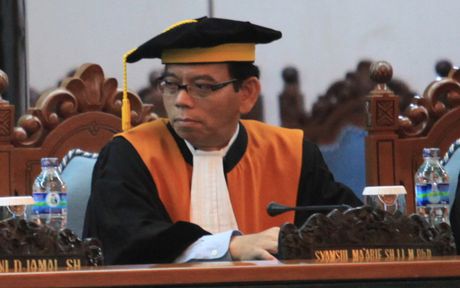
Hakim Agung Syamsul Maarif: Dulu Menolak, Sekarang Mendukung KOPITIAM

16 - April - 2015

Jakarta - Aroma kopi membuahkan banyak rezeki, mulai perkebunan kopi hingga bisnis warung kopi. Dari pinggir jalan hingga kafe dan hotel berbintang. Peluang bisnis ini juga menyisakan cerita sengketa merek KOPITIAM, yang dalam bahasa harfiahnya berarti 'kedai kopi'.

Kasus mulai menyeruak ke publik usai Abdul Alek Soelystio mendaftarkan kedai kopinya dengan nama 'KOPITIAM'. Merek ini dituliskan dengan huruf besar semua dengan warna huruf oranye dan khas. Suasana dunia perkopitiaman makin memanas ketika Abdul Alex mengumumkan di sebuah media cetak nasional pada 28 Februari 2012 bahwa pihaknyalah yang memiliki hak merek 'KOPITIAM'.

Pemilik kopitiam-kopitiam pun kaget sebab kok bisa pemerintah mengabulkan hak merek atas kata yang merupakan milik umum atau public domain. Alhasil, banyak pihak yang menggugat Menkum HAM sebagai pihak yang mengeluarkan izin merek itu, termasuk menggugat Abdul Alex.

Salah satunya Pamin Halim, pemilik Kok Tong Kopitiam. Menurutnya, penulisan 'Kok Tong Kopitiam' sangat jauh berbeda dengan penulisan merek 'KOPITIAM' ala Abdul Alex. Meski berbeda jauh, tetapi MA di tingkat PK tetap menyatakan kedai kopi 'Kok Tong Kopitiam' memiliki persamaan pada pokoknya dengan kedai kopi 'KOPITIAM'.

Putusan ini diadili oleh 5 hakim agung yaitu Prof Dr Vallerina JL Kriekhoff Syamsul sebagai ketua majelis dan Syamsul Ma'arif PhD, I Made Tara dan Mahdi Soroinda Nasution dengan Dr Nurul Elmiyah selaku hakim anggota. Dalam putusan yang diketok pada 20 Maret 2013, majelis PK terbelah. Kelimanya tidak satu suara soal hak merek KOPITIAM yang dimiliki oleh Alex. Hakim agung Syamsul menilai KOPITIAM tidak bisa diberikan hak ekslusif.

"Kata 'KOPITIAM' adalah kata yang secara umum digunakan oleh masyarakat Melayu untuk sebuah kedai yang menjual kopi sehingga semua kedai kopi pada dasarnya berhak menggunakan kata tersebut untuk melengkapi merek dagangnya," kata Syamsul dalam pertimbangannya di halaman 64 sebagaimana dikutip detikcom, Kamis (16/4/2015).

Sehingga, masih dalam pertimbangan Syamsul, dalam perkara a quo unsur dominan dalam nenentukan ada tidaknya persamaan pada pokoknya merek Kok Tong Kopitiam milik Pemohon PK, bukan pada kata KOPITIAM, tetapi pada kata Kok Tong

"Sehingga merek milik Pemohon PK tidak memiliki persamaan pada pokoknya dengan merek KOPITIAM milik Termohon PK. Terjadi kekeliruan yang nyata dalam putusan judex juris," ujar Syamsul dalam vonis pada 20 Maret 2013 lalu.

Tidak hanya Syamsul, Nurul pun punya pandangan senada. Yaitu kopitiam merupakan gabungan kata 'kopi' dalam bahasa Melayu. Adapun 'tiam' dari dari bahasa Hokkian yang berarti kedai. Hal ini membuktikan kata kopitiam sebuah kata yang bersifat generik/sudah umum digunakan.

"Oleh karena bersifat generik, maka hal itu tidak dapat diatur berdasarkan UU Merek," tegas Nurul.

Setelah 2 tahun berlalu, hakim agung Syamsul berubah pendapat tentang merek 'KOPITIAM'. Yaitu saat Syamsul mengadili perkara Phiko Leo Putra sebagai pemilik Lau's Kopitiam melawan KOPITIAM. Kali ini, hakim agung Syamsul berbalik mendukung KOPITIAM. Bersama dengan Prof Dr Takdir Rahmadi dan Hamdi, Syamsul selaku ketua majelis menyatakan Lau's Kopitiam memiliki persamaan dengan KOPITIAM dan mengadili Phiko harus mengganti merek kedainya.

"Menyatakan Phiko Leo Putra telah melakukan perbuatan melawan hukum dengan menggunakan secara tanpa hak merek Lau's Kopitiam yang tidak terdaftar dan memiliki persamaan pada pokoknya dengan merek KOPITIAM milik penggugat rekonvensi," demikian putus majelis PK.

Vonis itu diketok pada 21 Januari 2015. Lalu, benarkah Lau's Kopitiam memiliki persamaan dengan KOPITIAM? Berikut gambar kedua merek tersebut

Sumber: detik.com

read: 16418 times

TAG :

kopitiam
 

Related News & Articles

Others News & Articles

1 2 3 4 5 6 7 8 »
 

Copyright as an Intangible Movable Property: Understanding Tangible and Intangible Value

By: Dr. Ichwan Anggawirya, S.Sn., S.H., M.H. In Intellectual Property law practice, one of the most common misconceptions is the view that possession of a physical object is identical to possession of all rights attached to that object. For example, purchasing a painting is often understood as a basis for reproducing that painting. Similarly, receiving the source code of a computer...

Copyright, Creator, and Ownership of Computer Programs in the Indonesian Legal Perspective

Dr. Ichwan Anggawirya, S.Sn., S.H., M.H. One of the fundamental issues that often leads to disputes in copyright law practice is the lack of clear understanding regarding the relationship between the party financing the creation of a work, the party creating the work, and the party entitled to economic benefits from it. In business practice, these three concepts are often treated as...

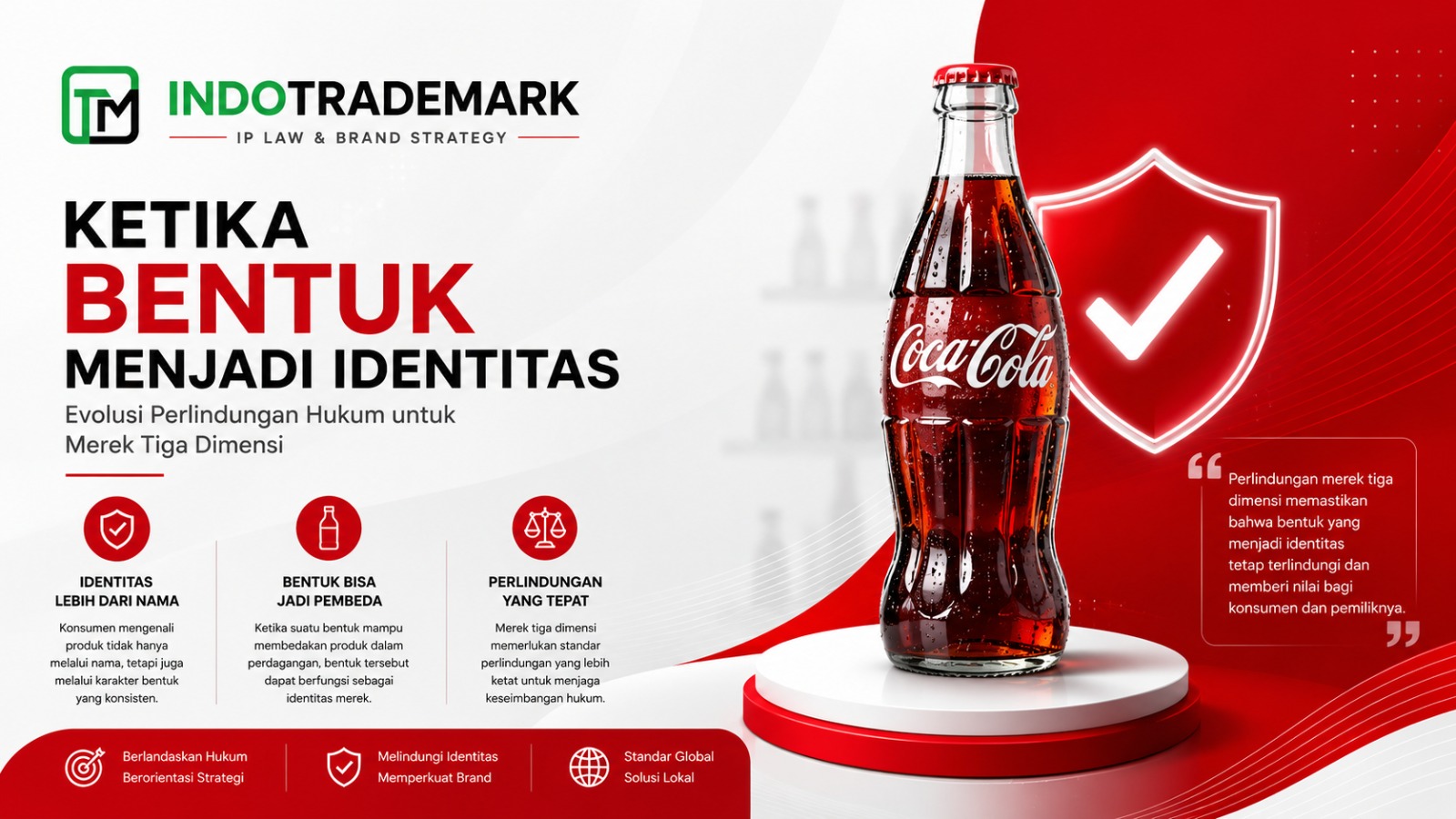
When Form Becomes Identity: Understanding 3D Brands and Industrial Design in Branding Strategy

  Dr. Ichwan Anggawirya, S.Sn., S.H., M.H. The development of intellectual property law shows that the identity of a trademark is no longer limited to just a name, writing, or two-dimensional logo. In commercial practice, certain product shapes and packaging often have a stronger distinctive power than the brand name itself. Consumers in many situations can recognize the origin of...

Why is it difficult for the law to provide an absolute definition of a famous mark

  Dr. Ichwan Anggawirya, S.Sn., S.H., M.H. The concept of a "well-known mark" is one of the most important concepts in trademark law, yet it is also one of the most difficult to define absolutely. Almost all trademark legal systems in various countries recognize it as a basis for broader legal protection for a mark that has a strong reputation. However, interestingly,...

The Importance of Intellectual Property Due Diligence in Companies: Trademarks, Patents, Designs, Co

Dr. Ichwan Anggawirya, S.Sn., S.H., M.H. Many companies still view physical assets such as buildings, machinery, inventory, and financial reports as the primary measures of business strength. However, in the current economic development, a company's value is increasingly determined by its intellectual property. In many global companies, the most valuable assets are no longer tangible...

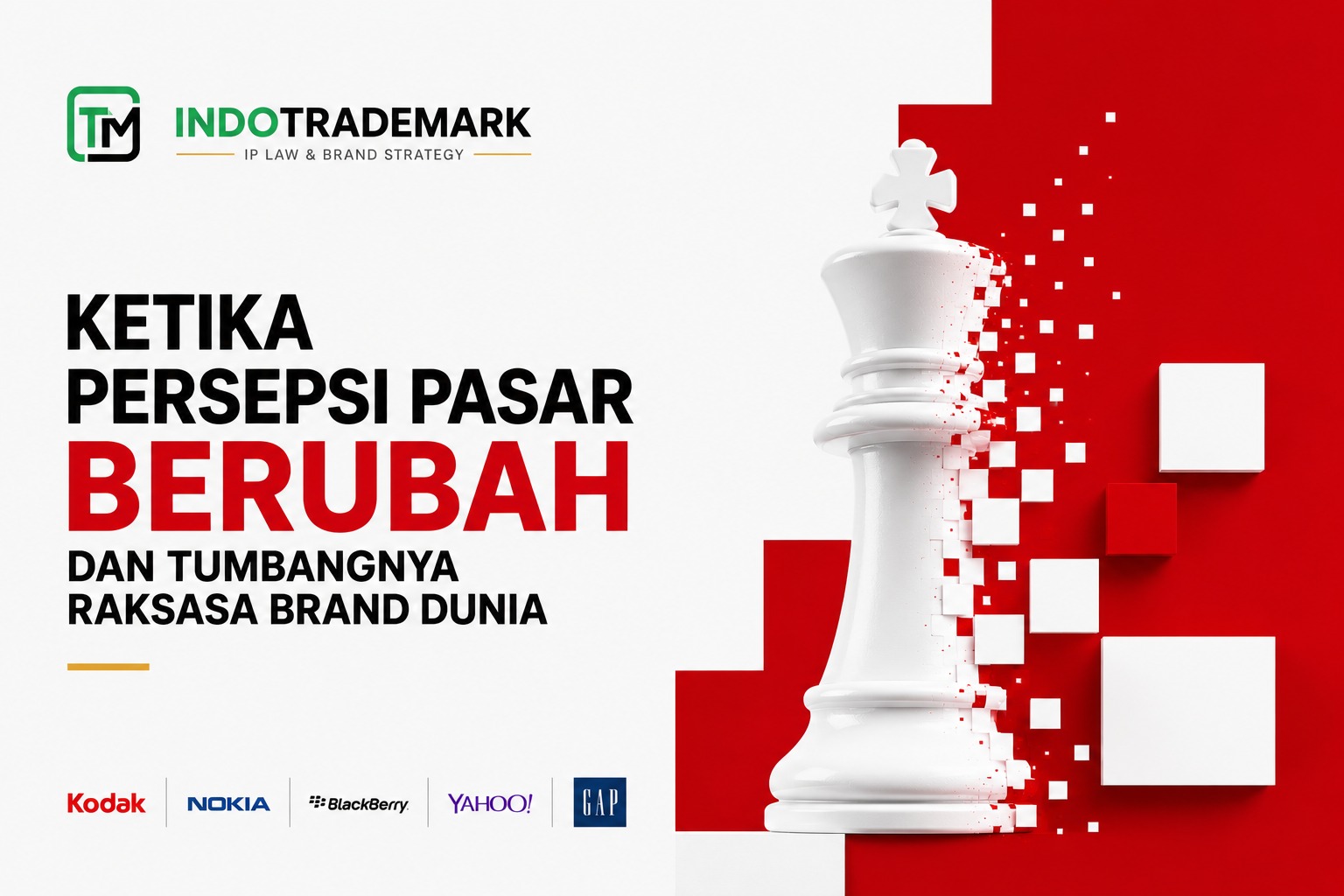
When Market Perceptions Change and Global Brand Giants Fall

  Dr. Ichwan Anggawirya, S.Sn., S.H., M.H. Not a few major global brands were once considered too strong to be defeated. These names not only dominated the market but also shaped consumption culture, social status symbols, and even the identity of certain generations. However, business history shows that no matter how strong a brand's power, it can still decline when companies...

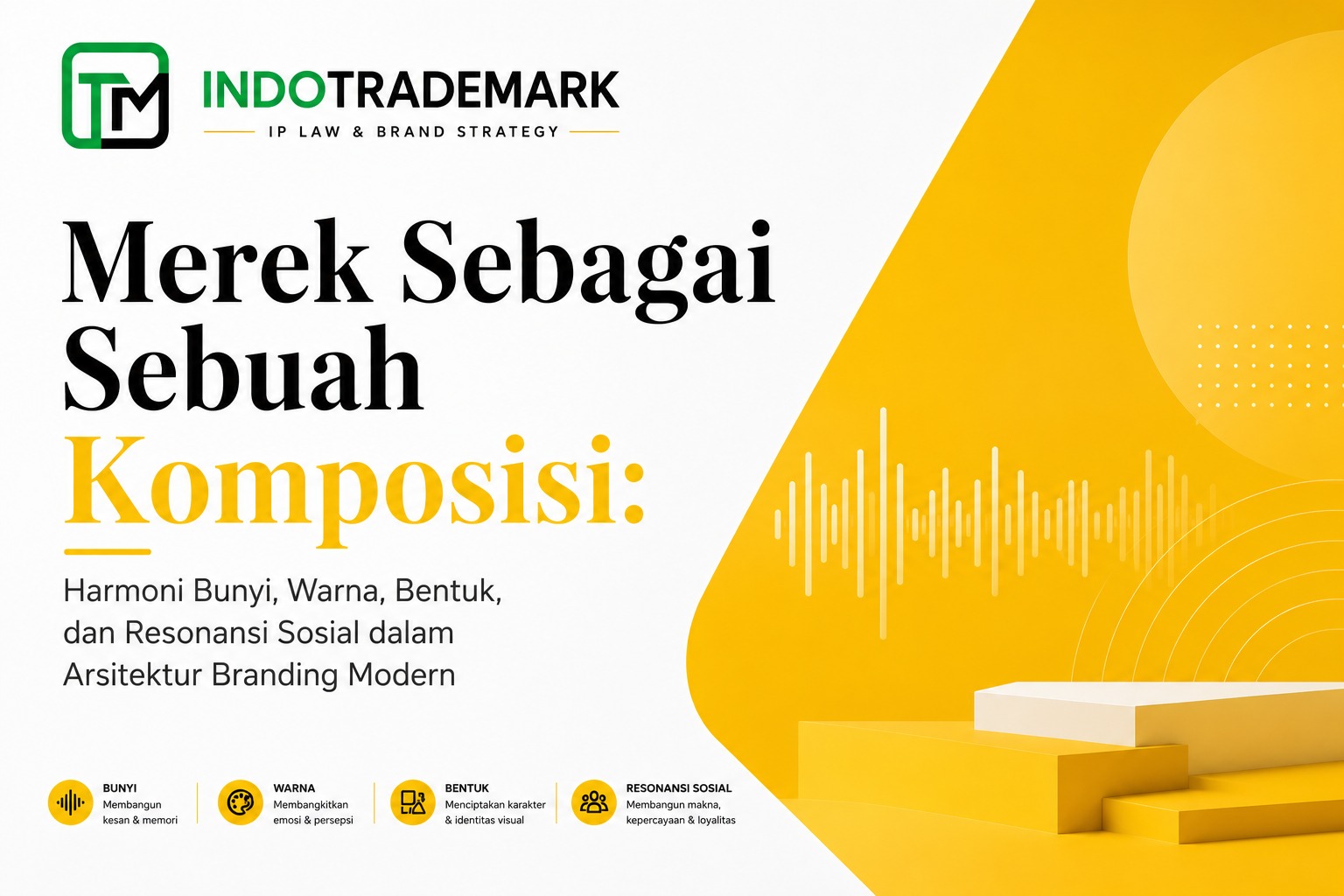
Brand as a Composition: Harmony of Sound, Color, Form, and Social Resonance in Architecture

Dr. Ichwan Anggawirya, S.Sn., S.H., M.H. When dissected more deeply, a brand is not merely a trade name or a visual symbol that functions to differentiate one product from another. In a much more complex dimension, the process of brand formation is actually very similar to the birth of a musical work. Just as a song is composed through the harmony of notes, rhythm, tempo, emotional...

Viral Brands Are No Accident: Branding Entry Strategies in Creating Market Explosions

Dr. Ichwan Anggawirya, S.Sn., S.H., M.H. Not a few people assume that a brand goes viral solely due to luck, social media momentum, or a fleeting trend. However, in contemporary branding practices, virality is often the result of a perception strategy consciously designed from the outset. Some brands are even intentionally shaped to become public talking points before their products are...

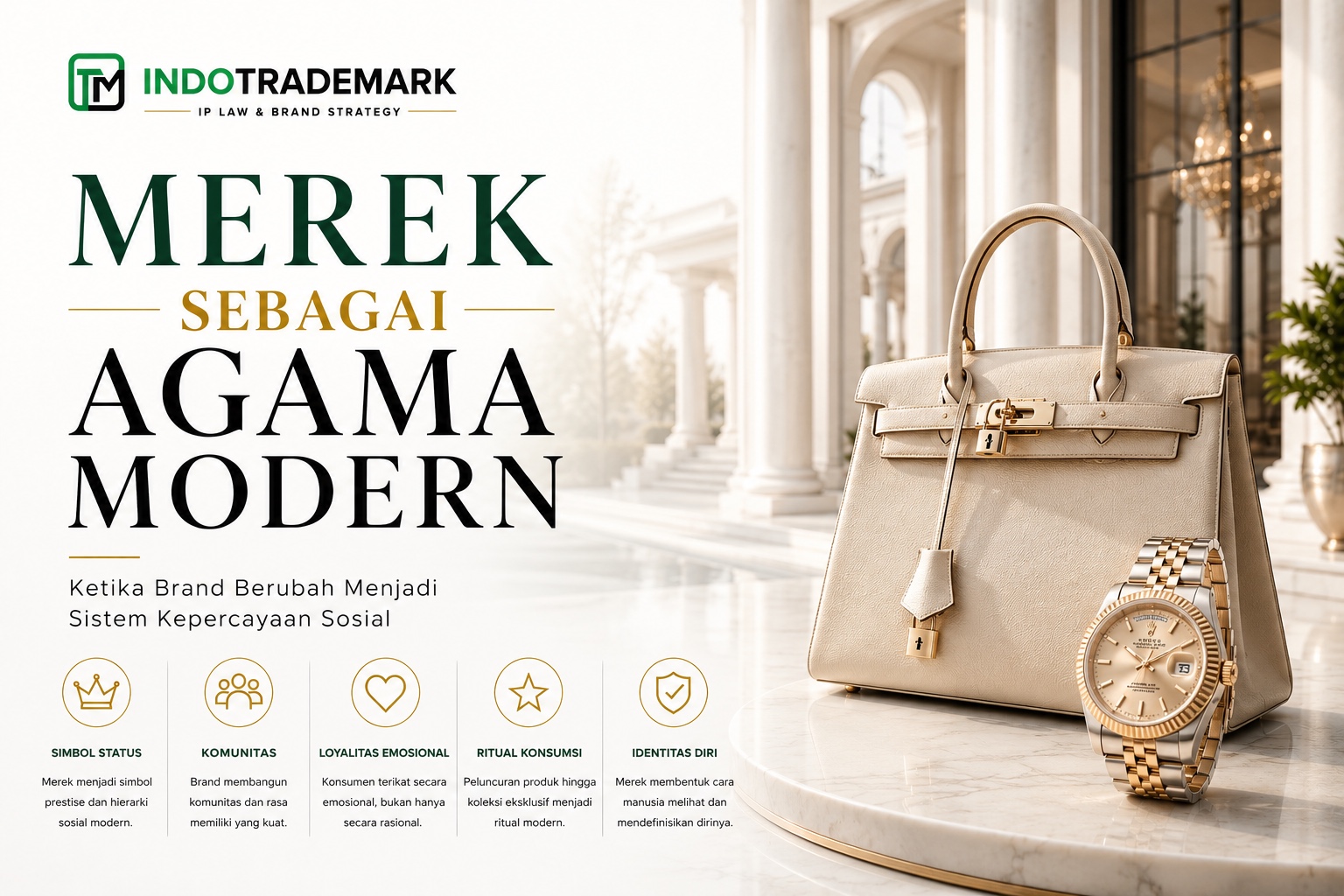
Brands as Modern Religions: When Brands Become Social Belief Systems

Dr. Ichwan Anggawirya, S.Sn., S.H., M.H. In classical business theory, brands are generally understood as commercial identities that function to differentiate the goods or services of one business entity from those of another. However, in contemporary branding practices, some of the world's major brands have evolved far beyond the mere function of product identification. At a...

Intentionally "Wrong" but Strong Brand Name Strategies

Dr. Ichwan Anggawirya, S.Sn., S.H., M.H. In contemporary branding practices, there is an interesting phenomenon where some companies build their brand identity through words that are linguistically considered non-standard, unusual, or appear as deviations from commonly known spellings. Although often perceived as a form of writing "error," such modifications are in fact...

Need a Free Consultation?

Our expert team is ready to help you choose the right services for your business needs