

Not all brands are born the same way. Some brands are built from market research, marketing strategies, and significant capital. However, there are also brands that grow slowly from life journeys, personal experiences, and stories that spread from one person to another, eventually forming a very strong trust within society.
KUTUS KUTUS is an interesting example of how a brand can develop not just as a product, but as a living story that continues to be passed down through the experiences of its users.
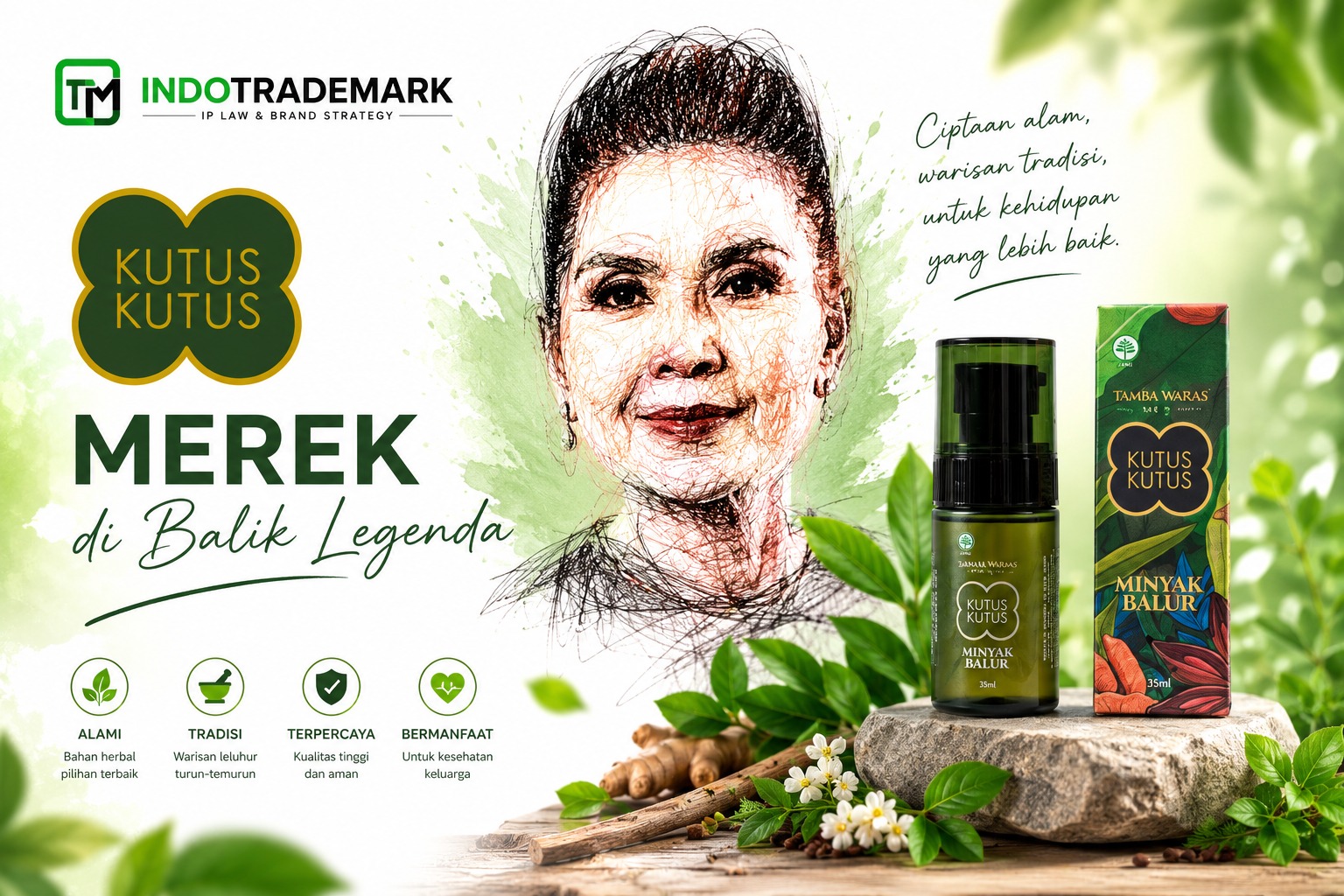
Behind the name KUTUS KUTUS lies the life journey of the late Mrs. Lilies Susanti Handayani, a woman from Klaten who was familiar with the culture of traditional herbal remedies and concoctions from a young age. The environment in which she grew up fostered a deep connection with various traditional healing knowledge passed down through generations.
When she later settled in Bali, this life journey did not immediately transform into a grand success story. Everything began simply with a small family business. However, it was from this point that the identity of KUTUS KUTUS began to form naturally.
Interestingly, Mrs. Lilies was known as a quiet individual who did not often appear in public. From a modern branding perspective, such a character often creates an authentic impression that is difficult to engineer. The public generally finds it easier to build trust in brands that feel like they have a real journey, rather than brands solely shaped by marketing imagery.
This journey was then combined with a more modern business approach through the role of her son, Fazli Hasniel Sugiharto, as the brand owner who developed aspects of management, distribution, and broader brand positioning. This blend of traditional roots and modern business approaches is what has led KUTUS KUTUS to grow rapidly and possess a very distinctive identity.
In many cases, herbal products often present similar approaches to each other. However, KUTUS KUTUS has succeeded in building deeper differentiation by not only selling product functions but also by building a narrative that is strongly embedded in people's minds. It is at this point that a brand begins to move beyond its product function.
Brands that are born solely from the production process usually compete on price, packaging, or promotions. Conversely, brands with stories tend to build a stronger emotional connection with their consumers. People may forget the advertisements they see, but they often remember stories that feel real and authentic.
In the world of branding, this condition is often referred to as the formation of brand mythology, which is when a brand begins to have a living story, experiences, and perceptions within society. Legends in the context of branding do not mean fabricated myths, but rather an accumulation of experiences and narratives that are continuously passed down through word of mouth over the years.
KUTUS KUTUS demonstrates how family stories, traditional roots, herbal philosophy, and consistent identity can develop into a very strong positioning. The brand name is ultimately known not just as a product, but also as a symbol of life journeys, traditions, and experiences trusted by many.
Such consistency has a significant impact on the formation of brand awareness. When a brand has clear positioning and an identity that is consistently maintained, the public will more easily build strong associations with that brand.
Ultimately, the strength of a brand does not always stem from the size of the company or the cost of its advertising. Sometimes, it emerges from simple stories that are built consistently, trusted over time, and then slowly develop into a legend.
Therefore, a brand is more than just a trade name or a visual identity. A brand is an asset that holds reputation, perception, experience, and emotional value, which in the long term can become one of a business's greatest strengths.
IndoTrademark
IP Law & Brand Strategy